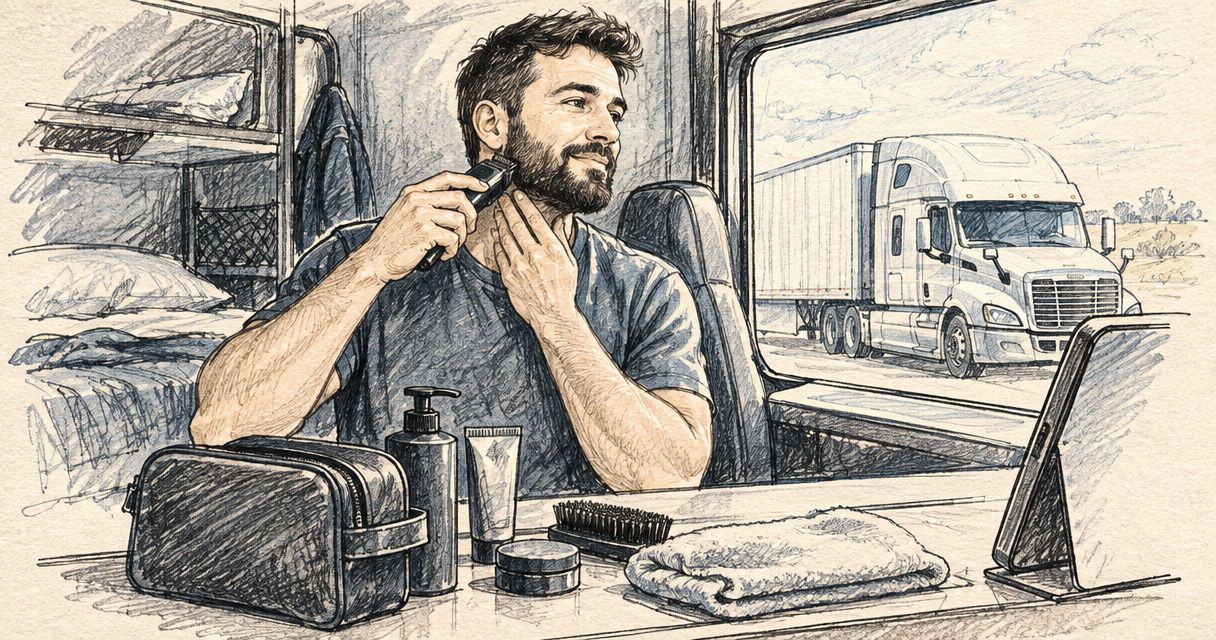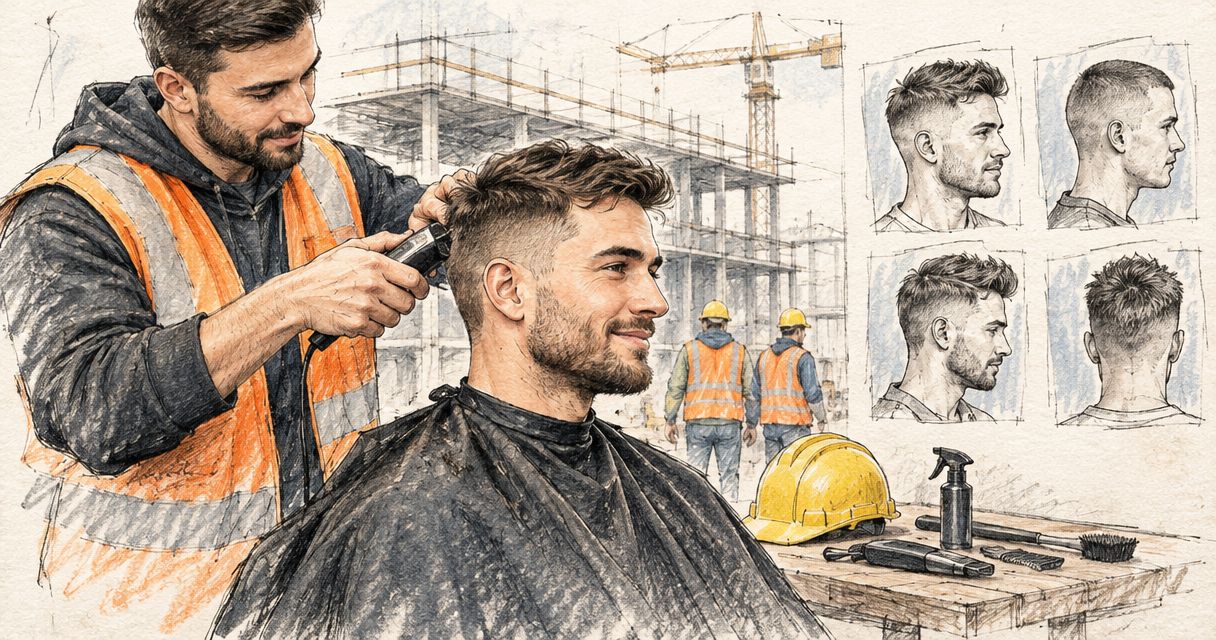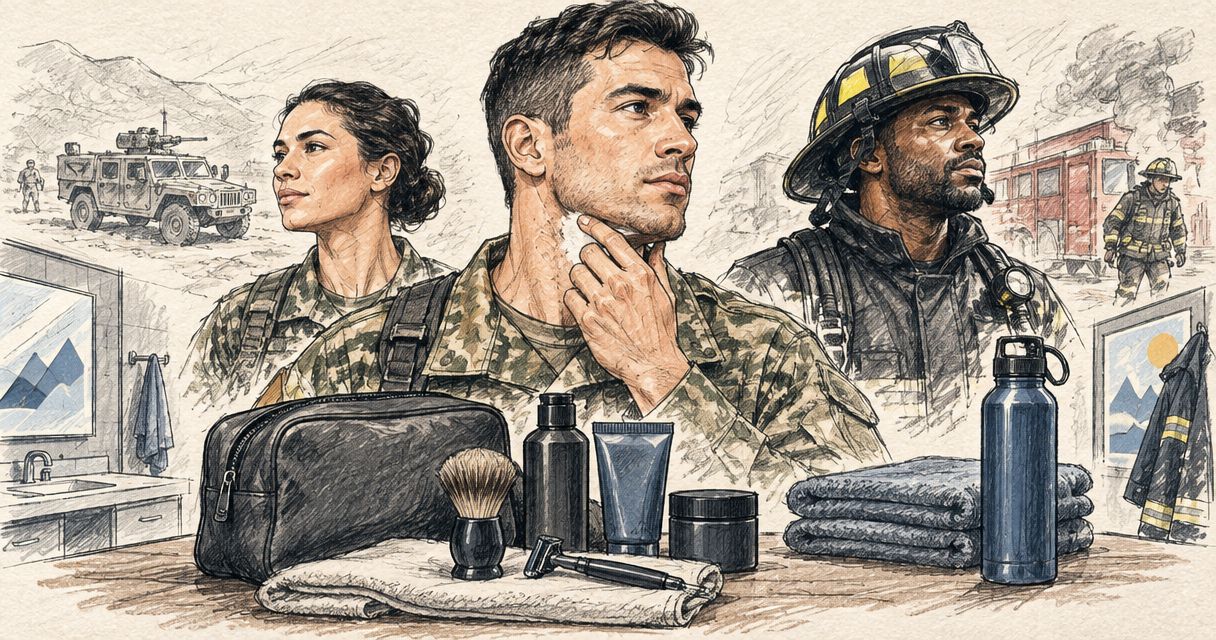
Military and first responder grooming is the management of hair and facial hair to meet duty requirements, support protective-equipment fit, and maintain a professional appearance. This guide covers grooming for military and first responders in Nashville, where your haircut needs to work around shifts, inspections, and your employer’s actual rules.
- Grooming for military and first responders starts with duty rules, not a haircut name.
- Deezkuts514 offers haircut booking and barber services; your branch or department determines grooming compliance.
- Choose buzz cuts, tapers, or fades by permitted length, upkeep, and headgear fit.
- Facial hair must not interfere with a tight-fitting respirator’s sealing surface.
Why grooming matters for military and first responders
A neat haircut is not automatically a compliant haircut. Military branches set their own appearance requirements. Fire, EMS, and law enforcement employers set policies that reflect their roles, equipment, and workplace requirements. Start with the rule that applies to your assignment, not another department’s example.
For your 2026 appointment, separate appearance requirements from safety requirements. A supervisor’s preferred look and a respirator’s sealing requirements are different questions. A barber can follow your haircut instructions; your employer determines whether the result meets duty standards.
Your schedule matters, too. If you need a trim between shifts, use an appointment you can confirm rather than assuming a chair will be open. The guide to barbershops with online booking explains another booking route to consider.
For Nashville customers, practical preparation means checking the appointment location, allowing for travel, and stating the service you need before arrival. Same-day service is something to check when booking, not something to build a duty schedule around without confirmation.
Build a duty-ready grooming routine
Check your current grooming requirements
Read the policy that applies to your branch, unit, agency, or department before choosing a cut. For military personnel, start with the applicable service grooming regulation and any authorized local instructions. For first responders, use your department’s written appearance policy and protective-equipment requirements.
Do not use a social media photo as proof that a style is allowed. Another person’s assignment, authorization, or workplace rules do not establish your requirements. If a rule is unclear, ask the designated supervisor before the appointment.
Keep your 2026 grooming instructions somewhere you can show the barber. Highlight what affects the haircut rather than handing over a long document without explanation. Include any restrictions on bulk, sideburns, neckline, or designs that actually apply to you.
- Identify the policy that governs your assignment.
- Check permitted length, bulk, and visible styling.
- Confirm sideburn and facial-hair requirements separately.
- Resolve unclear wording through your supervisory channel.
- Follow the authorized process for any grooming accommodation.
Choose a haircut by length and upkeep
Pick a haircut you can describe in measurable terms. A buzz cut uses a generally uniform short length; a taper gradually shortens hair toward the edges. A fade creates a graduated transition between lengths. None of these names establishes compliance on its own.
Choose the permitted result first, then the style name. If you want a fade, specify where the transition starts and whether you want skin exposed. If you want a taper, explain how much length you want to retain around the sides and back.
Write down 2 lengths: your intended top length and your intended side length. Use those as appointment instructions, not as a substitute for your policy’s limits. Ask the barber to explain the result if you do not know clipper terminology.
- Set the top length before discussing the sides.
- Choose a uniform cut, taper, or fade deliberately.
- Specify whether the transition reaches bare skin.
- Keep the neckline and sideburn instructions explicit.
- Choose a shape you can maintain between appointments.
Book the service you actually need
Start with the basic booking task: identify the haircut, find an appointment that fits your shift, and confirm the location. If you need facial-hair work as well, ask whether that service is offered and whether it belongs in the same appointment. Do not assume every haircut slot includes it.
Deezkuts514 is best for local customers seeking haircut booking and barber services, not a determination of duty compliance. The Deezkuts514 website provides a place to start your haircut booking. Bring the requirements that apply to your role; the shop is not the authority on military or departmental policy.
For a same-day request in 2026, check the booking options and confirm the appointment before arranging your travel. An appointment confirmation establishes your booking, not how long every possible service will take.
- Choose the service that matches your actual request.
- Check the date, time, and appointment location.
- Confirm any additional facial-hair service before booking.
- State any hard departure time before the service begins.
- Keep your appointment confirmation accessible.
Give the barber a clear haircut brief
Bring 1 reference photo that shows the haircut you want clearly. A side or rear view helps explain a taper or fade better than a front-facing image alone. Use the photo to communicate shape, then explain your own length and policy requirements.
Keep the brief short. Tell the barber what stays, what gets shorter, and what must remain within your duty rules. Mention a cowlick, uneven growth, or an area that is difficult to style so the barber can account for the hair you actually have.
Do not rely on phrases such as military cut or regulation haircut. Those descriptions leave too much open to interpretation. A clear brief gives the barber a usable request without asking them to interpret your employer’s policy.
- Show the reference photo before cutting starts.
- State the top and side lengths you want.
- Describe the transition around the ears and back.
- Specify the neckline and sideburn finish.
- Point out growth patterns that affect the result.
Handle facial hair around safety requirements
Treat beard appearance and respirator compatibility as separate decisions. A tidy beard does not establish that a tight-fitting respirator can be worn correctly. The relevant question is whether facial hair interferes with the sealing surface or valve function.
OSHA’s respiratory protection standard, 29 CFR 1910.134, prohibits employers from allowing tight-fitting facepieces to be worn when facial hair comes between the sealing surface and the face or interferes with valve function. That is a workplace respiratory-protection rule, not a universal beard rule for every military or first responder role.
If your duties involve respiratory protection, follow your employer’s program and equipment instructions. Do not make shaving, accommodation, or equipment decisions from a haircut guide alone. Ask the program administrator what applies to your assignment before making changes.
- Identify whether your assignment requires respiratory protection.
- Follow the rules for the specific facepiece you use.
- Keep facial hair out of prohibited seal areas.
- Use the authorized route for medical or religious accommodations.
- Do not treat a beard trim as proof of respirator compatibility.
Check the finished cut before leaving
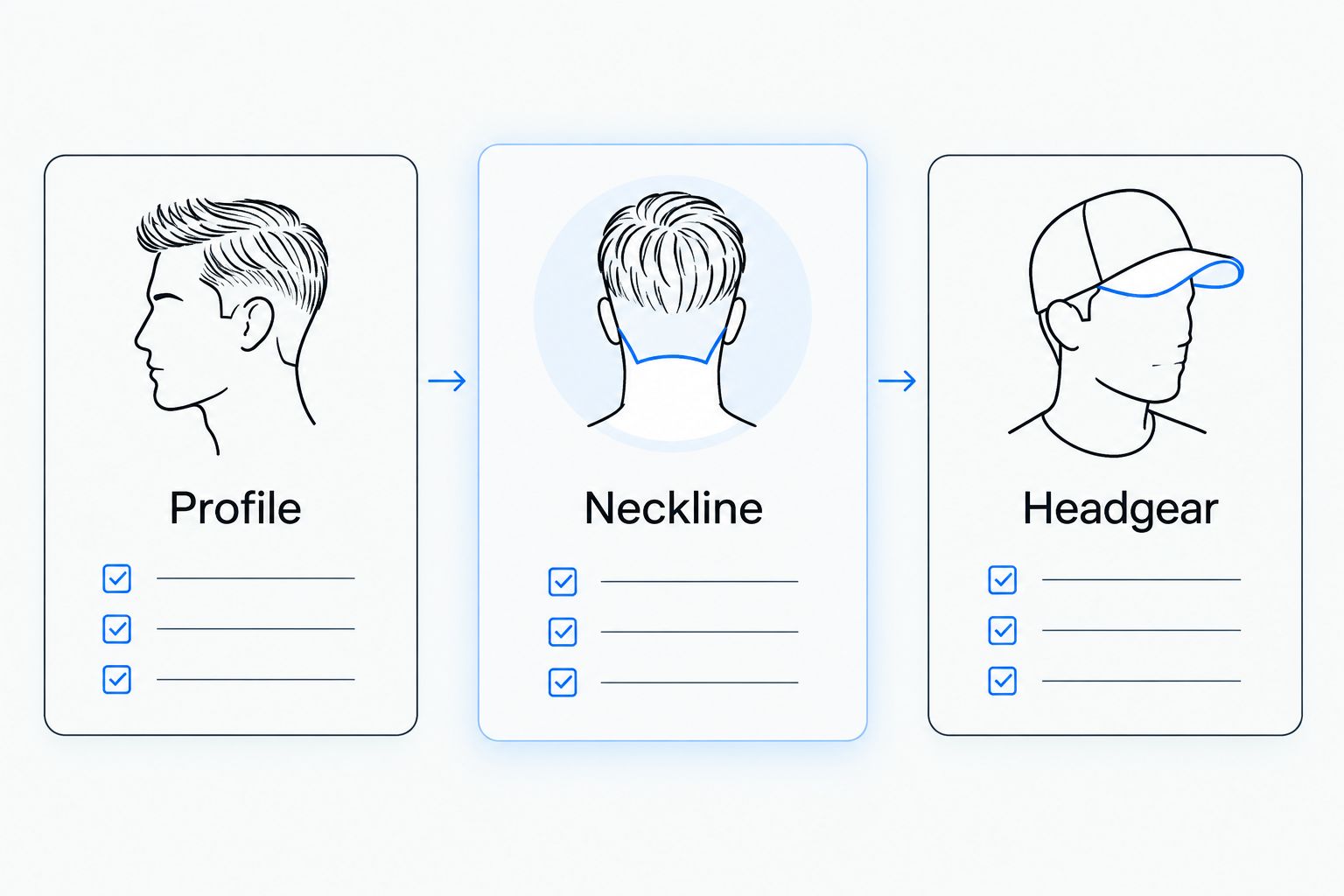
Make 3 final checks: profile, neckline, and headgear. Look at the side profile for bulk and transition height. Use the rear mirror to inspect the neckline. Consider how the remaining hair works with the headgear you actually wear.
Ask for a correction while you are still in the chair if the haircut differs from your brief. That is easier than discovering an unwanted length or uneven edge after you have left. Keep the request specific: identify the area and the change you need.
A haircut check is not a protective-equipment fit test. Follow the appropriate workplace process for respirators and other safety equipment. Do not loosen, alter, or improvise equipment to make a hairstyle work.
- Profile: compare the sides with your requested shape.
- Neckline: inspect the rear finish in a mirror.
- Headgear: review bulk around contact areas.
- Check sideburns against your written requirements.
- Request any haircut correction before leaving.
Set your next appointment around your duty schedule
Use your own hair growth and duty requirements to decide when to return. There is no single appointment interval that suits every haircut, hair texture, or department. A sharply defined fade and a longer tapered cut have different maintenance demands.
For your 2026 routine, record the haircut instructions after an appointment that works. Save the reference photo and note the lengths, transition, and finish. Reusing a clear brief makes the next booking simpler than explaining the cut from scratch.
Deezkuts514 grooming appointments belong in that routine as a booking decision, not a guarantee of compliance. Keep enough flexibility to address a changed assignment, a revised policy, or a haircut that needs adjustment before an important duty event.
- Save the instructions for a haircut that works.
- Check growth against your actual grooming limits.
- Plan around shifts, inspections, and required appearances.
- Confirm each appointment rather than assuming availability.
- Update the brief when your assignment requirements change.
Book your next haircut
Choose your appointment and bring the grooming requirements that apply to your role.
Compare haircut and facial-hair options
The best option is the one that meets your rules and fits your maintenance routine. This comparison separates haircut shape from duty approval. Check each choice against your requirements before requesting it.
| Option | Best for | Practical advantage | Key limitation |
|---|---|---|---|
| Buzz cut | Customers wanting a generally uniform short cut | Gives you a straightforward length brief | Short does not automatically mean compliant; growth patterns remain visible |
| Taper | Customers wanting shorter edges with retained length above | Lets you specify a gradual change around the perimeter | Can retain too much bulk if the brief is vague |
| Fade | Customers wanting a defined transition between lengths | Makes transition height and contrast explicit choices | Skin exposure and styling details still need policy checks |
| Beard trim | Customers whose role permits facial hair | Shapes permitted facial hair and defines edges | Does not resolve interference with a tight-fitting respirator seal |
For Deezkuts514 grooming requests, describe the result you want and confirm the relevant service before booking. A haircut appointment is useful for maintaining appearance; it does not replace a supervisor’s decision, an accommodation process, or respiratory-protection procedures.
Avoid choosing solely from the most dramatic reference photo. A cut that looks sharp immediately after the appointment can still be wrong for your permitted length, hair pattern, or available maintenance time.
Common grooming mistakes military and first responders make
Copying another branch or department
A haircut worn by a firefighter, police officer, or service member is not proof that your employer permits it. Use the rule attached to your own role. In 2026, verify the current document rather than relying on an old screenshot or someone else’s recollection.
Asking for a regulation cut without details
The phrase does not communicate a top length, transition height, or neckline. Bring the applicable restrictions and give the barber a direct brief. Specific instructions beat a broad haircut label.
Treating a neat beard as a safe seal
A clean outline does not remove hair from a respirator’s sealing surface. Follow your respiratory-protection program wherever it applies. Do not ask a barber to approve equipment compatibility or an occupational safety exception.
Leaving booking until the shift starts
An unconfirmed same-day request leaves your schedule unresolved. Check for an appointment before traveling and confirm any additional services. If the appointment does not fit your duty commitments, choose another confirmed time rather than relying on an assumed opening.
Changing the brief during the haircut
Removing more length is a different request from preserving it. Set your top length, side length, and transition before cutting begins. If you are unsure, ask the barber to explain the proposed shape first instead of discovering the difference afterward.
FAQ
What is the best haircut for military and first responders?
The best haircut is one that meets your branch or department’s rules and fits your maintenance routine. Buzz cuts, tapers, and fades are options to evaluate, not automatic evidence of compliance.
Can military personnel and first responders have beards?
Beard permission depends on the rules and authorized accommodations that apply to your role. Respirator requirements are a separate safety issue, so check your employer’s respiratory-protection program as well as its appearance policy.
Is a skin fade always a regulation haircut?
No, a skin fade is not automatically a regulation haircut. Check your applicable rules on length, bulk, styling, and exposed skin before requesting it.
Can I wear a tight-fitting respirator with facial hair?
Facial hair must not come between a tight-fitting facepiece’s sealing surface and your face or interfere with valve function. OSHA’s respiratory protection standard addresses this restriction; follow your employer’s program for your specific equipment and assignment.
How often should I book a duty-ready haircut?
Book according to your hair growth, chosen cut, and duty requirements rather than a universal interval. Check the haircut against your limits and schedule the next appointment before growth creates a problem.
What should I tell the barber before a military or first responder haircut?
State your intended top length, side length, transition, neckline, and applicable restrictions. Bring a clear reference photo, but use your written requirements rather than the photo as the compliance standard.
How do I arrange a same-day haircut in Nashville?
Check the booking options and confirm an appointment before traveling. Ask about any additional service you need, and do not assume a same-day opening or a particular completion time.
One last thing
Save the instructions, not just the haircut photo. A photo shows the finish but does not reliably communicate the starting length, transition details, or restrictions you gave the barber.
After a haircut that works, keep a short note with your requested lengths, neckline, and sideburn instructions. Add the policy details that matter to your assignment. At your next appointment, show the note before cutting starts and confirm that your requirements have not changed. That gives you a repeatable request without turning the barber into your department’s policy interpreter.